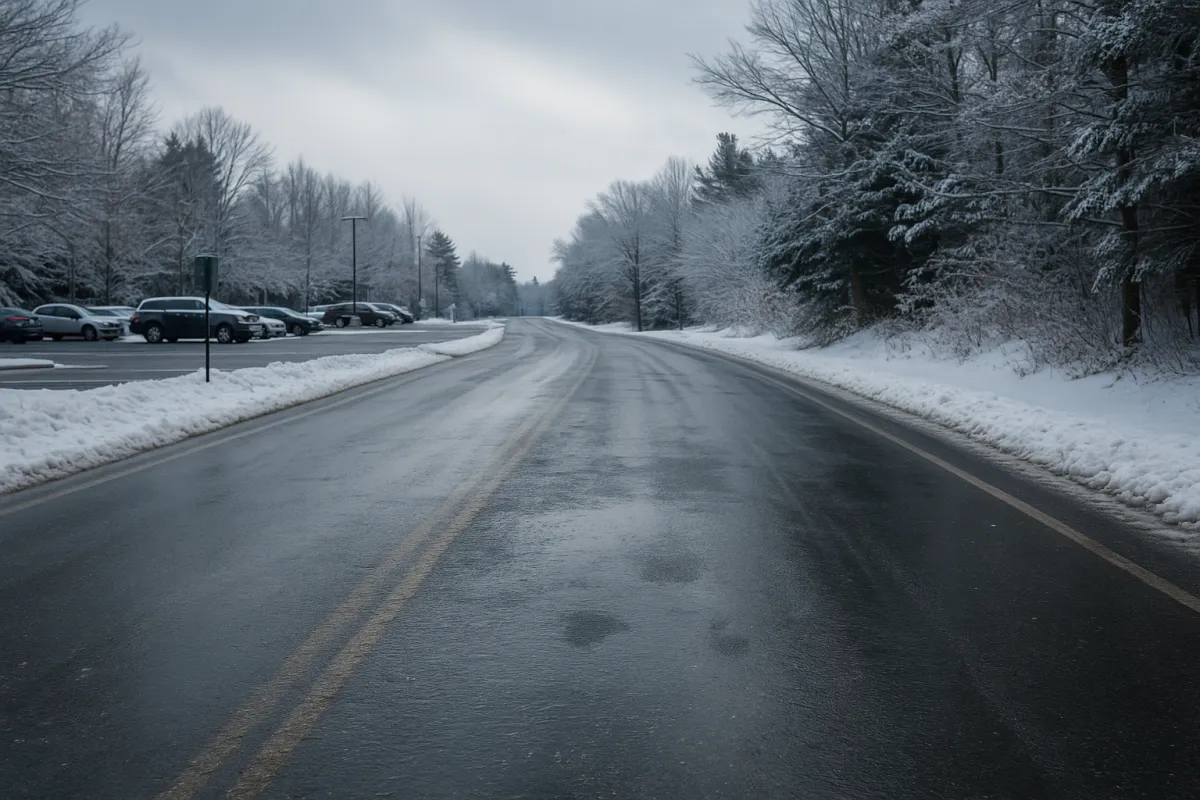
Common Wintertime Hazards — Even After Professional Plowing & Sanding of Commercial Spaces
Winter in Maine doesn’t slow down business — customers still pull into parking lots, employees clock in, and deliveries continue moving. Even when commercial properties are plowed and sanded professionally, winter surfaces remain unpredictable. Temperature swings, ongoing storms, and freeze-thaw cycles create hazards that many property owners don’t see until someone slips, falls, or slides into a snowbank.
For businesses, the goal isn’t only clearing snow — it’s maintaining safety throughout the entire winter season, long after the first storm cleanup is complete.
At Gavin’s Lawn Care, we understand how winter weather works here in Maine. Our crews plow, sand, and maintain commercial spaces all season long, but we also know the hidden risks that continue even after a site is serviced. This article breaks down common winter hazards that persist post-plow, why they occur, and how businesses can reduce exposure to liability, injury, and downtime.
1. Black Ice — Invisible, Dangerous, and Hard to Detect
Black ice forms when melting snow refreezes into a thin clear layer that blends into pavement.
Even well-sanded lots can experience refreeze within hours when:
The sun melts snow during the day
Temperatures drop after sunset
Wind pushes moisture across cleared pavement
Warm vehicle tires melt and redistribute snow
Black ice is especially common near entrances, loading zones, and south-facing lots where meltwater flows.
Commercial properties should schedule continued spot checks to identify refreeze early — before someone catches it the hard way.
2. Refreeze Overnight After Daytime Melting
One of Maine’s biggest winter challenges is the constant cycle of melting and refreezing. A lot may look dry at noon and become a skating rink by 6 p.m. This cycle creates:
Hidden glaze ice in low-traffic areas
Slippery crosswalks and walk paths
Icy ramps and incline surfaces
Danger around dumpsters or loading docks
Preventing liability means planning beyond the first plow. A professional winter maintenance plan with return visits and spot treatment is key to preventing slip-and-fall incidents.
3. Snow Piles Reduce Visibility and Limit Parking Flow
Plowing clears space — but piles create new hazards:
Visibility issues backing out or turning corners
Narrowed vehicle lanes
Loss of parking capacity during busy hours
Hidden curbs and islands beneath snowbanks
Large piles also store meltwater which refreezes later, feeding persistent icy zones. Periodic relocation or reduction of piles keeps traffic safer and lots cleaner throughout the season.
4. Sand and Salt Wear Off Over Time
Sanding and salting dramatically improve traction — but they are not permanent solutions. Traffic, sun, and moisture dilute surface protection.
Once worn down, icy patches return, often faster than expected.
Commercial lots benefit from ongoing monitoring and re-applications, not just one-time treatments. Gavin’s Lawn Care offers customized maintenance cycles to match storm patterns, traffic levels, and business hours to ensure traction stays reliable.
5. Walkways, Steps, and Handrails Require More Than Plowing
Snow removal equipment handles open spaces well — but foot-traffic zones need special attention:
Narrow walkways freeze faster than lots
Handrails grow icy from condensation
Steps remain slick even when “clear”
Entrances collect slush tracked in by customers
Slip-and-fall injuries most commonly occur within 10–20 feet of business entrances. Anti-ice treatments, de-icer mats, and routine scraping significantly reduce risks.
6. Indoor Floors Become Hazard Zones Too
Once snow enters the building on boots, the danger shifts inside. Wet tile becomes a slip-trap, especially near entry carpets. Business owners should consider:
Mats with scraper texture for salt/snow removal
Wet floor signage during active storms
Routine mopping during peak foot traffic
Shoe-to-floor transition zones
Safety isn’t just about the parking lot — it extends to the moment a customer steps inside.
7. Delivery & Customer Areas Need Special Priority
Commercial spaces experience heavy delivery movement — and early morning drivers are often on-site before daylight. Low light + refreeze = elevated accident potential.
Areas that require focused treatment include:
Back-of-building delivery doors
Dumpster access lanes
Drive-through lanes
Side service doors
Sloped loading docks
A full-season maintenance plan ensures these access points stay serviced even when storms hit overnight.
8. Snow Cover Hides Ice Below — A Major Trip Hazard
A thin blanket of snow may look harmless, but often hides glare ice beneath it. Pedestrians step confidently, unaware of the danger — until they fall.
Regular scraping, sweeping, and applying traction material prevents ground-level surprises.
Monitoring during active storms and after temperature changes is essential to keeping both employees and customers safe.
Why Ongoing Winter Maintenance Matters for Businesses
Clearing snow is step one — but maintaining safety is an ongoing process. Businesses that invest in winter monitoring and repeated treatments protect:
Customer and employee safety
Liability exposure and insurance risk
Business operations and reputation
Parking capacity and traffic flow
Professional seasonal service ensures your commercial property stays safe not just on plow day — but every day that follows.
Trust Gavin’s Lawn Care for Full-Season Commercial Winter Maintenance
Gavin’s Lawn Care understands the rhythm of Maine winter. Storms don’t wait for business hours, and conditions change fast. That’s why we offer responsive winter management plans for commercial properties of all sizes — designed to stay ahead of black ice, refreeze, and hidden hazard risks.
Whether you need full-season plowing, sanding, or monitoring throughout the week, our team is ready to help you keep your space safe, accessible, and clean all winter long.
📞 Call Gavin’s Lawn Care at 207-745-4237 to schedule winter maintenance or request a quote.
Stay safe — stay ahead of winter hazards — and let us do the tough work for you.

